If you’ve been trying out dog names out loud—“Milo… Luna… Charlie… Scout…”—and none of them feel right, you’re not overthinking it. Most new puppy parents hit this exact wall: the name looks great on paper, but the moment you say it in your normal voice, it either sounds too similar to a command… or your dog doesn’t react at all.
And here’s the part that surprises people: dogs don’t “prefer” names the way humans do, but they do respond better to certain sounds and patterns—because their hearing, attention system, and learning style are different from ours. Some names are simply easier for a dog to notice, separate from background noise, and recognize consistently.
In this article, I’ll walk you through what science suggests about sound and attention, what experienced dog owners do without realizing it, and exactly how to choose a name your dog can learn fast and respond to reliably.
Key Takeaways
- Dogs respond best to names with clear, distinct sounds and a strong ending (often a vowel sound).
- One–two syllable names are usually easiest for dogs to recognize quickly.
- Names that sound like common commands (“Noah” vs “No”) can slow training.
- It’s not about a dog “liking” a name—it’s about how easily the brain can separate and store the sound.
- The best test is consistency: say the name once, then reward attention immediately.
- A great name stays clear even when you say it fast, happy, annoyed, or across a park.
The Science: Dogs Don’t Love Names—They Learn Sound Patterns
A lot of people picture dogs having a human-style relationship with names, like “That’s my identity.” Dogs don’t work that way.
Dogs learn names the way they learn cues: sound → meaning → outcome.
If the sound reliably predicts something (attention, treat, praise, walk), the dog learns it fast.
What research suggests (in plain English)
Dogs are very good at:
- noticing sound differences
- paying attention to pitch changes
- learning patterns that lead to rewards
Dogs are less good at:
- separating similar-sounding words
- responding consistently when humans say the “same” word differently each time
So when people say, “My dog prefers names with certain sounds,” what they usually mean is: my dog notices and understands these sounds more easily.
What Kind of Sounds Grab a Dog’s Attention Fast?
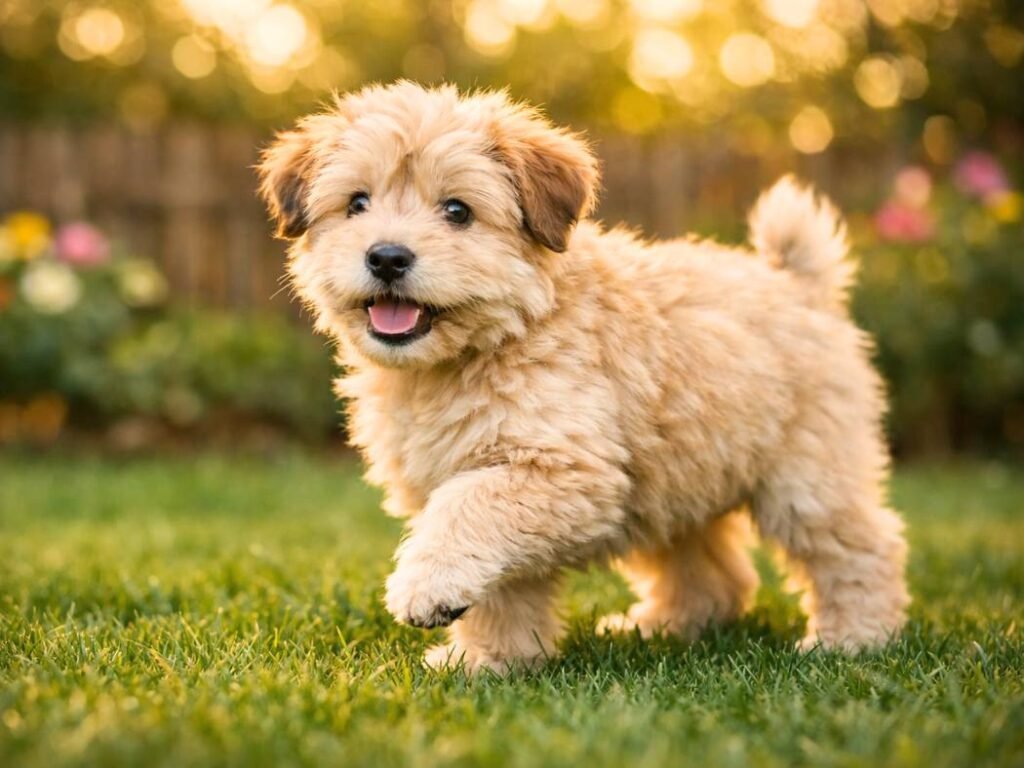
Dogs hear a wider range of frequencies than humans and often lock in on sharper, cleaner sounds.
That’s why names with crisp consonants often cut through noise better than names that are soft and mumbled.
Sounds that often work well
- K / T / P sounds: Koda, Tucker, Pepper
- S / Sh / Ch sounds: Scout, Shadow, Charlie
- Hard D / B sounds: Dexter, Bailey, Duke
Sounds that can get “lost” easily
- very soft beginnings like Lily said quietly (can blur into background speech)
- names that start with a low, gentle sound if your voice is naturally soft
This doesn’t mean you can’t use softer names. It just means you’ll need clean pronunciation and consistent tone early on.
Syllables Matter More Than People Think
If you’ve ever tried yelling a three-syllable name repeatedly at a dog who’s chasing a leaf, you already understand the issue.
Dogs can learn long names, but short names are easier to recognize and faster to respond to.
The sweet spot
One or two syllables is ideal:
- Max
- Luna
- Rocky
- Bella
- Ziggy
If you love a longer name, do this
Use a longer “formal” name, but train a short call name:
- Theodore → Theo
- Penelope → Penny
- Montgomery → Monty
- Angelina → Angie
That way your dog gets clarity, and you still get the name you love.
The “Ending Sound” Trick: Why Many Dogs Respond Well to Names Ending in a Vowel
This is one of those real-life dog owner things that shows up everywhere once you notice it.
Names ending in a vowel sound often feel more “callable,” because:
- the sound carries
- it feels upbeat
- it’s easier to stretch without sounding harsh
Examples:
- Luna
- Milo
- Nala
- Kona
- Zoe
- Remy
Why this matters in daily life
Picture this: you’re holding a coffee, your dog’s leash is looped around your wrist, and your dog starts heading toward a neighbor’s open garage. You don’t want to sound angry. You want something quick, clear, and positive.
A name like “Milo!” or “Nala!” naturally comes out with a clean, rising tone.
It’s not magic. It’s acoustics + habit + emotion.
Avoid These Sound Collisions (They Cause Real Training Confusion)
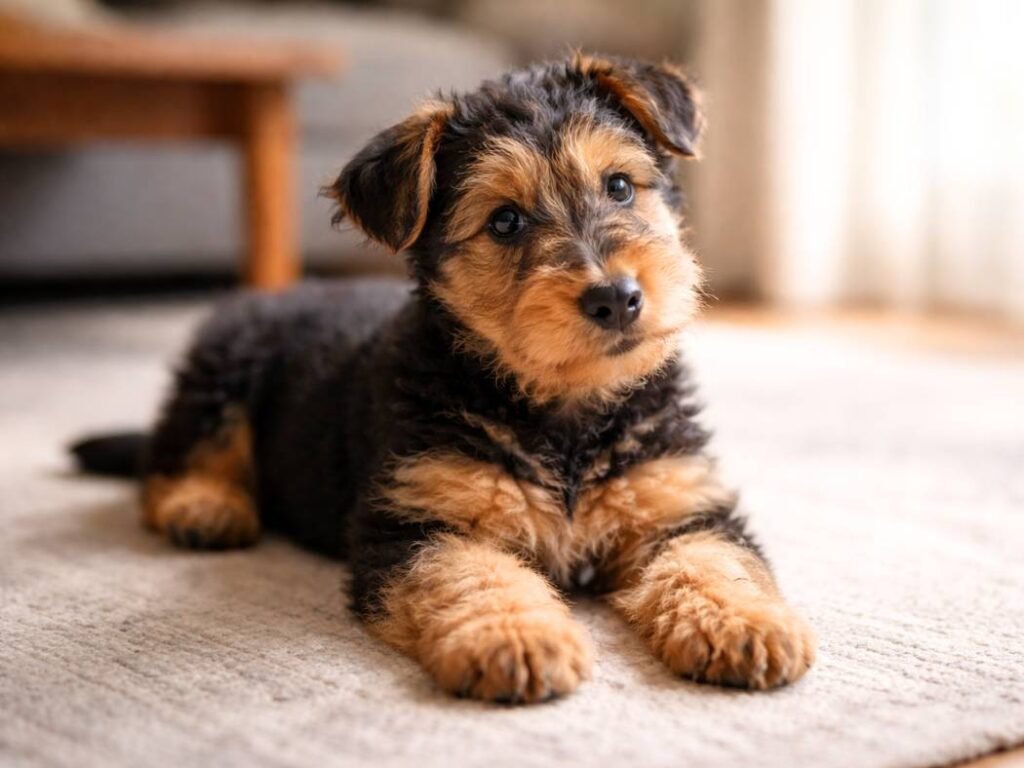
This is the part where a “cute name” becomes a training speed bump.
Dogs don’t understand spelling. They understand sound. So if your dog’s name is too close to commands you use, you’ll create messy overlap.
Common collisions to watch for
- Name sounds like “No”: Noah, Nova
- Name sounds like “Sit”: Sid
- Name sounds like “Stay”: Stella (in fast speech), Shay
- Name sounds like “Down”: Dawn
- Name sounds like “Heel”: Hilo
- Name sounds like “Come”: Cami
The fix (simple)
Pick a name that doesn’t share the same first sound and rhythm as your top commands:
- come, sit, down, stay, leave it, off, heel
A lot of people don’t realize this until week two, when they’re doing training in the living room thinking, “Why is this suddenly harder than it should be?”
Step-by-Step: How to Choose a Dog-Friendly Name (That Still Sounds Like You)
Here’s the practical method I recommend—because it works whether you’re naming a tiny puppy or adopting an adult dog with baggage.
Step 1: Write down 10 names you genuinely like
Not names you think you should like. Names you’d be happy saying for 10 years.
Step 2: Use the “Park Test” (say it like real life)
Say each name out loud in four different ways:
- happy voice: “_____!”
- calm voice: “_____…”
- urgent voice (not angry): “_____!”
- across the room: “_____!”
If a name feels awkward, mumbly, or too similar to another word, it usually shows up here.
Step 3: Remove anything that sounds like a command
Especially “no,” “sit,” “stay,” and “down.”
Step 4: Pick 3 finalists and do a 48-hour trial
Use the name naturally at home without forcing it.
You’ll quickly notice:
- which one you say most easily
- which one your family naturally adopts
- which one your dog notices fastest
Step 5: Teach the name properly (most people skip this)
This matters more than the name itself.
Training method:
- say the name once
- the moment your dog looks at you → reward (treat/praise/play)
- repeat in short sessions, 1–2 minutes
Within a few days, the name becomes meaningful.
The Biggest Mistake: Using Your Dog’s Name Like a “Stop That!”
Here’s a very normal real-life moment:
Your puppy steals a sock and runs. You shout their name (“Luna! Luna! LUNA!”) while chasing them. Your tone turns sharp. Your dog learns: name = trouble is coming.
Then you wonder why your dog doesn’t come when called.
Do this instead
Use the name as:
- “look at me”
- “good things are coming”
- “connect with me”
And use a separate cue for stopping behavior:
- “leave it”
- “drop it”
- “ah-ah”
- “oops”
Your dog should hear their name and think: I should check in.
Real-World Examples
This is what the advice looks like when you apply it.
- “Nova” in a house that says “No” a lot
The dog keeps hesitating because “No-va!” starts like “No!” Fix: choose Nala or Kona. - “Stella” sounding like “stay” during fast training
When people speed up commands, “Stella” can blur. Fix: emphasize the “tel” sound or shorten to Stell. - “Bear” in a noisy park
It’s one syllable (great), but the vowel can sound flat from far away. Fix: pair it with a sharp marker early: “Bear—YES!” - “Theo” for an easily overstimulated puppy
Light, clear, upbeat ending sound. Dogs often pick it up fast because it’s easy to say consistently. - “Mochi” becoming “Mosh-Mosh” naturally
Works because it stays rhythmic and happy. Many dogs respond well to playful, repeated patterns. - “Kit” in a home with kids
Kids say it quickly and softly. It gets lost. Fix: coach kids to say it crisp (“Kit!”) and reward attention. - “Remy” vs “Henry”
Both are cute. Remy has a clearer ending sound and tends to be called the same way each time. Henry often gets nicknames that blur consistency. - “Scout” for a dog with strong prey drive
Sharp starting sound, easy to call urgently. Great for outdoor reliability when paired with rewards.
Choosing a Dog Name With Sounds Dogs Respond To
- Keep it 1–2 syllables if possible
- Choose clear consonants (K/T/S/Ch/D/B tend to work well)
- Avoid names that sound like sit/stay/no/down/heel/come
- Pick something you can say fast and confidently
- Make sure it still sounds clear across a room
- Don’t use the name to scold—protect it as a positive signal
- Teach the name with rewards: name → eye contact → treat
- Do a 48-hour trial before committing
FAQs
1) Do dogs actually prefer certain sounds in names?
Dogs don’t “like” sounds the way humans do, but they respond more reliably to names that are easy to hear and separate from other words. Clear consonants and short syllables usually help.
2) Are two-syllable dog names better than one-syllable names?
Often, yes. Two-syllable names can be clearer and more distinct, especially in noisy places. But a sharp one-syllable name like “Max” or “Scout” can work extremely well too.
3) What dog name sounds are hardest for dogs to learn?
Names that sound too similar to common commands (“Noah” vs “No,” “Sid” vs “Sit”) or names that are long and frequently changed with nicknames can slow learning.
4) Can I rename an adopted dog—will it confuse them?
You can absolutely rename an adopted dog. Most dogs adjust quickly when the new name is taught positively (name → reward). Many rescues learn a new name within 1–3 weeks.
Conclusion
Dogs don’t judge names the way we do—but they do respond better to names that are clear, consistent, and easy to recognize in real-life situations. If you pick a name with a clean sound, avoid command-like overlaps, and teach it the right way, your dog will learn it quickly—and respond with confidence. Don’t rush it. Say the names out loud, test them in your normal voice, and give yourself a day or two to feel it settle. A good name isn’t just cute—it’s useful.
If you’d like, I can also give you a short list of “sound-friendly” name patterns and examples that match your preferred style (classic, modern, unique, tough, etc.).
Also read: Best Length for a Dog Name, How Dogs Recognize Their Name