If you’ve ever stood in the kitchen saying, “Bella… Bella… BELLA,” while your puppy happily ignores you and continues chewing a sock—welcome to real life. Most new dog owners don’t struggle because they picked a “bad” dog name. They struggle because the name gets used in messy, confusing ways that make it harder for the dog to understand what the word even means.
In this guide, I’ll walk you through the most common naming mistakes that confuse dogs—and exactly how to fix them. You’ll learn what kind of names dogs hear best, what to avoid, how to “teach” a name properly, and what to do if you already chose a name that isn’t working.
Key Takeaways
- Pick a name that’s easy to say fast, clearly, and consistently (one or two syllables is ideal).
- Avoid names that sound like common commands (like “Kit” vs. “Sit”).
- Don’t use your dog’s name as a warning word—teach it as a positive attention cue first.
- Everyone in the home should use the same name (not five nicknames) during training.
- If your dog ignores their name, it’s usually a training issue—not stubbornness.
- You can change your dog’s name at any age with a simple step-by-step reset.
Mistake #1: Picking a Name That Sounds Like a Command
Dogs don’t understand English—but they do hear sound patterns. If your dog’s name sounds similar to a command you’ll use often, confusion is guaranteed.
Why it backfires
Dogs learn through repetition. If “Noah” sounds like “No,” or “Bo” sounds like “Go,” your dog may hesitate, ignore you, or respond incorrectly.
Common sound-alike problems
Names that can confuse training:
- Kit (sounds like “Sit”)
- Ray (sounds like “Stay”)
- Bo (sounds like “No” or “Go”)
- Shay (sounds like “Stay”)
- Mo (sounds like “No”)
Fix: Make the sounds different on purpose
If you love a name that’s close to a command, adjust it slightly:
- Kit → Kiko
- Ray → Ranger
- Bo → Bodie
- Shay → Shiloh
Also, test it out loud using your real voice:
- Say it happily: “Bodie!”
- Say it urgently: “Bodie, come!”
If it still sounds too close to a command, choose a clearer option.
RELATED: How to Choose the Perfect Name For Your Dog
Mistake #2: Choosing a Name That’s Hard to Say Quickly

A dog name should work during normal life—not just look cute on paper.
What “hard to say” really means
It usually means:
- Too long
- Unusual pronunciation
- Requires a dramatic tone to sound right
- You end up shortening it anyway
For example, “Sir Fluffington the Third” will become “Fluffy!” by day three. And that’s fine… but it means you never truly trained the name you originally chose.
Do this instead: Choose the “call name”
Even if you want a fancy registered name, train a short everyday version.
- “Captain Theodore Barkington” → Theo
- “Princess Anastasia” → Ana or Stasi
- “Mister Mochaccino” → Mocha
Quick test
If you can’t say the name:
- loudly
- quickly
- three times in a row
…you’ll likely struggle using it when you actually need it.
Mistake #3: Using the Dog’s Name Like It Means “You’re in Trouble”
This is one of the biggest reasons dogs stop responding to their names.
New owners often do this without realizing:
- “Milo! Stop!”
- “Milo! NO!”
- “Milo! What did you do?!”
So the dog learns: My name predicts something unpleasant.
What you want your dog to learn instead
Your dog’s name should mean:
“Pay attention—something good might happen.”
Not:
“Brace yourself… the humans are mad again.”
Fix: Create a “name = good attention” pattern
For 3–7 days, do this simple exercise:
- Say your dog’s name once (calm, upbeat).
- The moment your dog looks at you, mark it (“Yes!”).
- Give a treat or toss a piece of kibble.
Repeat 10–20 times per day. Random moments. No pressure.
Then your dog’s name becomes a reliable attention cue—not a warning siren.
Mistake #4: Accidentally Teaching Your Dog to Ignore Their Name
If you say the name repeatedly and your dog doesn’t respond… the dog learns something very logical:
“That sound doesn’t matter.”
The common pattern
“Luna… Luna… Luna… LUNA!”
No response. Name becomes background noise.
Fix: One name, one chance
Use this training rule:
- Say the name once
- Pause one second
- If your dog looks, reward
- If not, make it easier—don’t repeat it endlessly
Step-by-step reset (simple and effective)
- Stand 6 feet away.
- Wait until your dog is mildly distracted.
- Say their name once.
- If they don’t look, make a small sound (kiss noise, clap once) and then reward when they turn.
Over time, fade the extra sound so the name alone works.
Mistake #5: Letting Everyone Use Different Names and Nicknames
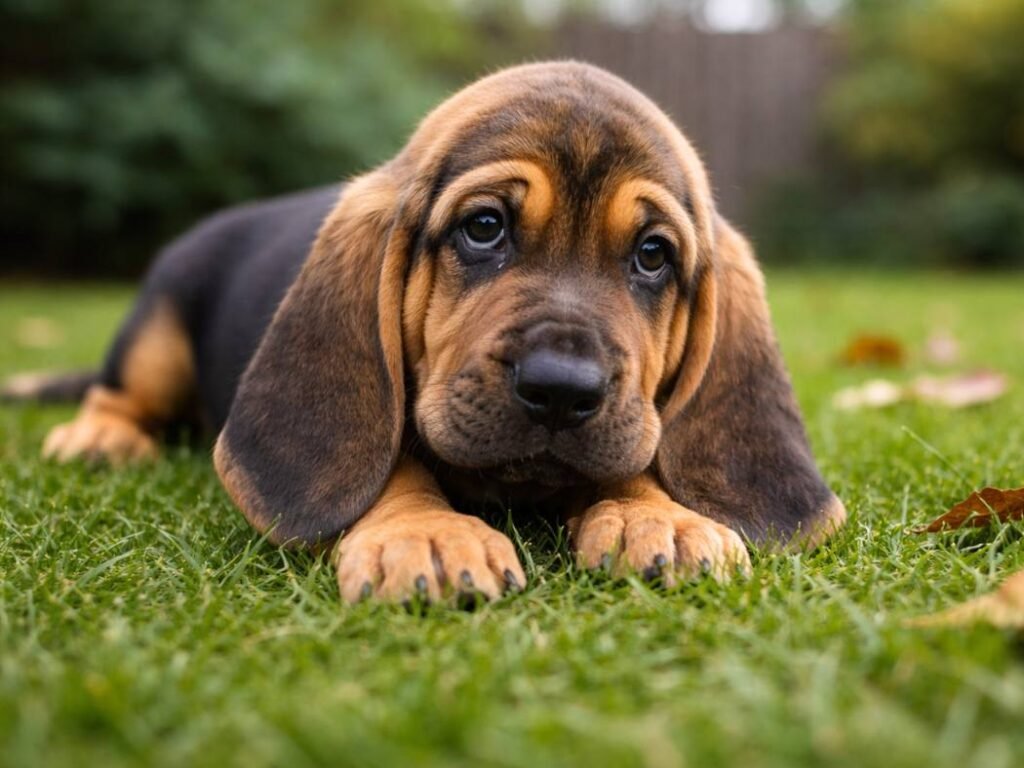
This one happens a lot in families. The puppy has:
- one real name
- three nicknames
- a “cute baby voice name”
- and a totally different name grandma uses
Why it slows down training
Dogs thrive on consistency. If the name changes constantly, your dog has to guess which sound matters.
This doesn’t mean nicknames are forbidden. It just means the dog needs one reliable “official signal” first.
Fix: Pick a training name
For the first month (or during training sessions), everyone uses the same exact name.
Example:
- Official/training name: Rosie
- Nicknames are fine later: “Ro,” “Rosie Posie,” “Princess”
If your puppy is confused, go back to one consistent name for two weeks. You’ll see the difference.
Mistake #6: Choosing a Name That Creates Awkward Moments in Public
This isn’t about being judgmental. It’s about practicality.
If your dog’s name makes you uncomfortable to say at:
- a vet clinic
- a dog park
- around kids
…you’ll avoid using it.
And if you avoid using the name, your dog won’t learn it well.
Examples of names that can cause problems
- Names that sound like insults or swear words
- Names that could be misunderstood or offensive
- Names that are embarrassing to shout loudly
Fix: Think like Future You
Picture calling the name:
- across a park
- in a crowded neighborhood
- when your dog runs toward a squirrel
If your brain says, “I don’t want to yell that,” choose something you’ll say confidently.
Mistake #7: Changing the Name Too Often “Because It Doesn’t Fit”
A lot of puppy parents change names multiple times in the first couple weeks:
- “He looks like a Bear.”
- “No wait… he’s a Jasper.”
- “Actually… he’s totally a Loki.”
Totally understandable—puppies change fast. But frequent name switching creates inconsistent learning.
Fix: Commit for 30 days
Pick one name and use it consistently for a month. You’ll start associating the name with your dog’s personality because you built that meaning.
If you still dislike it after 30 days, change it once—and train it properly (I’ll show you how in the examples section).
4) Real-World Examples (This Is What It Looks Like)
- “Kit” vs. “Sit” confusion: Owner says “Kit!” while teaching sit. Dog sits accidentally, then starts sitting randomly whenever called—because it sounds almost the same.
- Name used only during scolding: Dog hears “Rocky!” only when stealing shoes. Within weeks, Rocky avoids eye contact when his name is said.
- Too many nicknames in a family: Kids say “Bubbles,” dad says “Bub,” mom says “Bubblegum.” Puppy responds to none consistently, but responds instantly to the treat bag sound.
- Name repeated 10 times: Owner says “Luna” repeatedly while Luna sniffs. Luna learns that “Luna” doesn’t require action.
- Embarrassing name in public: Owner chose a joke name but refuses to say it at the dog park. Dog rarely hears their name, so recall becomes harder.
- Long name shortened unintentionally: “Sir Wellington” becomes “Welly” then “Well” then “Hey you.” Dog is unsure which word matters most.
- Name changed three times in two weeks: Puppy learns none of the names well and seems “stubborn.” Once the family commits to one name and rewards attention, the “stubbornness” disappears fast.
- Name too similar to another dog at home: “Milo” and “Mila” in the same house. Both dogs respond to both names—chaos during training.
Dog Naming Mistakes to Avoid
- Choose a name you can say clearly and quickly
- Keep it 1–2 syllables if possible
- Avoid names that sound like commands (sit, stay, no, down)
- Don’t use the name as a punishment word
- Say the name once—don’t repeat it endlessly
- Train “name = look at me” with rewards
- Use one consistent name for training (limit nicknames early)
- Pick a name you won’t feel awkward yelling in public
- If you rename your dog, retrain the new name properly
FAQs
1) What is the best type of dog name for training?
The best names for training are short, distinct, and easy to say quickly—usually one or two syllables. Names with strong consonants (like K, T, B) are often easier for dogs to hear clearly.
2) Do dogs get confused if their name is too long?
Yes, long names can slow learning because owners naturally shorten them. If you want a long formal name, train a short “call name” for daily use so your dog hears the same sound consistently.
3) Can I rename my rescue dog or adult dog?
Absolutely. Dogs can learn a new name at any age. The key is to teach the new name like a fresh cue: say it once, reward attention immediately, and repeat in short sessions for about a week.
4) Why does my dog ignore their name?
Most dogs ignore their name because they’ve learned it doesn’t matter—or because it predicts something negative (like scolding). Fix it by rebuilding value: say the name, reward eye contact, and stop repeating the name without follow-through.
Conclusion
Picking the right name isn’t about being perfect—it’s about being clear. A good dog name is one you can say confidently, consistently, and positively, especially when real life gets noisy and distracting. If your dog seems confused, don’t assume they’re stubborn. Most of the time, the name just needs cleaner usage and a little training value behind it.
Choose one name, commit to it, and teach it like it matters—because it does. Your dog will catch on faster than you think.