

Bringing a puppy home is supposed to feel magical… and it does. But it also feels chaotic in a very specific way. You’re holding this tiny, wiggly stranger who’s already stealing everyone’s heart, and suddenly you realize: we don’t even know what to call you yet.
Here’s the truth most new puppy parents don’t hear: there isn’t one perfect moment to name your puppy—but there are moments that make training and bonding easier.
In this guide, I’ll walk you through when to name your puppy (first day vs later), how long is “too long” to wait, and exactly how to introduce the name so your puppy learns it fast—without stress or second-guessing.
Key Takeaways
- Day 1 naming is great if you already love the name and can commit to it consistently.
- Waiting 2–7 days is totally normal and often leads to a better fit—without harming bonding.
- Don’t wait too long: after about 2 weeks, “the puppy” phase becomes confusing for training and routines.
- A puppy learns their name faster when it predicts something good: treats, play, praise, attention.
- Choose a name you can say clearly, quickly, and happily—you’ll use it hundreds of times.
- If you’re stuck, use a temporary training name so you can start teaching attention right away.
Should You Name Your Puppy on Day One?
Naming on day one can be a fantastic choice—but only if you’re truly ready to stick to it.
When day-one naming works best
Day one is perfect when:
- You already picked a name you genuinely love
- Everyone in the home agrees
- You’re not “testing” five names at once
- The puppy already responds to the name from the breeder (and you plan to keep it)
If you’re in that situation, go for it. A confident name on day one makes everything feel more organized. Even simple things like “Luna, let’s go outside” create a rhythm that helps the puppy settle.
When day-one naming backfires
Day-one naming can cause stress when you picked a name too early and now feel unsure.
This usually happens when:
- The name sounded cute online but feels awkward out loud
- It doesn’t match the puppy’s vibe at all
- Family members keep “suggesting just one more option”
- You don’t feel excited saying it
If you feel embarrassed calling the name in public (even slightly), it’s a clue. You’re going to be calling that name across parks, sidewalks, and vet waiting rooms.
Is It Better to Wait a Few Days? (Often, yes.)

Waiting is not a mistake. In fact, a short wait often makes the name more meaningful.
The best waiting window for most families
For most new puppy parents, the sweet spot is:
2 to 7 days after bringing them home
That gives you time to learn:
- energy level (cuddly vs chaotic)
- confidence (bold explorer vs gentle observer)
- what the puppy naturally “feels like” in your home
This is where names like Scout, Milo, Pepper, Nala, Cleo, or Ranger start making sense—not because of looks, but because the puppy acts like that name.
Will waiting hurt bonding?
No. Your puppy is bonding through:
- consistency
- safety
- food
- calm routines
- gentle handling
- play
They don’t need a perfect name to bond. They need you to show up reliably.
A very real example: a lot of families come home with a puppy intending to name him “Bear,” then after three days realize he’s more of a Finn—soft, bouncy, sweet, and social. That kind of shift is normal.
How Long Is Too Long to Wait to Name a Puppy?
There’s a point where waiting stops being helpful and starts slowing training down.
The practical limit
Try to decide within:
7–14 days
After that, you’re missing out on an easy training advantage: name recognition becomes the foundation for attention and recall.
What goes wrong when you wait too long
If you keep using random nicknames like “baby,” “buddy,” and “no-no,” here’s what happens:
- your puppy hears many words but learns none of them matter
- attention training gets delayed
- family members use different sounds constantly
- the name becomes an afterthought instead of a training tool
And here’s the sneaky part: waiting too long often increases pressure. People start saying, “We still haven’t named the puppy,” like it’s a problem. That stress makes choosing harder, not easier.
If You’re Not Ready, Use a Temporary Training Name
This is one of the simplest tricks that saves new puppy owners.
If you haven’t chosen the “forever” name yet, pick a temporary training name for 3–7 days.
What makes a good temporary name?
It should be:
- short (1–2 syllables)
- easy to say
- not embarrassing
- not similar to commands (like “Kit” sounding like “sit”)
Examples of safe temporary names:
- Buddy
- Sunny
- Milo
- Nova
- Zoe
- Max
Why this helps immediately
The goal isn’t the name itself. The goal is to teach this concept:
“When you hear this word, look at me.”
That’s the start of all training. And it keeps things calm while you decide.
How to Teach Your Puppy Their Name (Fast and Gently)
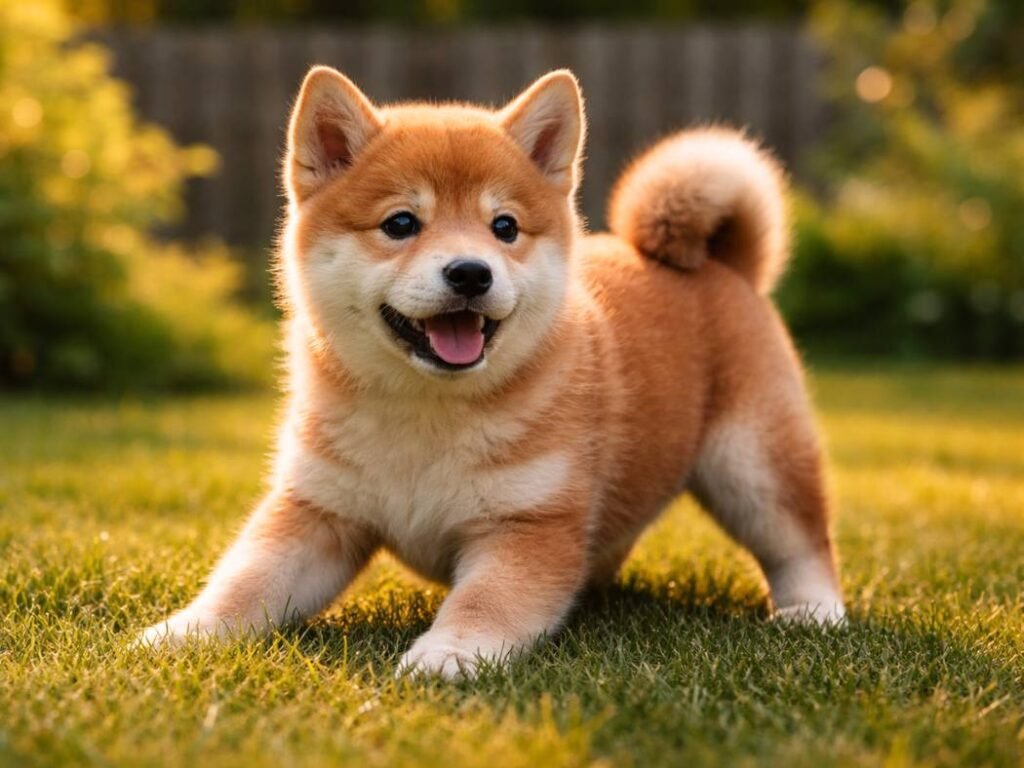
Once you choose the name—day one or day seven—teach it properly. Don’t just start shouting it during chaos and hope it sticks.
Step-by-step: the 3-minute name game
Do this 2–3 times per day for the first week.
- Sit near your puppy with treats ready
- Say the puppy’s name once in a happy voice: “Daisy!”
- The moment they look at you, mark it (“Yes!”)
- Give a treat
- Pause 3–5 seconds and repeat
Keep it light. No pressure. No repeating the name five times.
The biggest mistake: using the name when you’re upset
If your puppy hears their name mostly as:
“Charlie! No! Stop!”
…they’ll start ignoring it.
Instead, use the name like this:
- “Charlie!” → treat
- “Charlie!” → praise
- “Charlie!” → play
You want the name to feel like good news.
RELATED: How to Teach Your Dog Their Name (Training Timeline + Method)
Picking a Name That Helps Training (Not Just a Cute Choice)
A great puppy name is one you’ll love and one that supports everyday life.
Do: choose a name you can call clearly
You should be able to say it:
- loudly
- quickly
- in a calm voice
- in a happy voice
Names that typically work well:
- Luna
- Milo
- Ziggy
- Bella
- Cody
- Rosie
- Archie
- Skye
Don’t: choose a name that sounds like commands
Avoid names that sound like:
- “Sit” → Kit
- “No” → Beau
- “Down” → Dawn
- “Stay” → Faye
It’s not that these names are “bad.” It’s that they create confusion in fast training moments.
Do: choose something the whole household will actually use
This is the real-world test.
If one person calls the puppy “Theodore” and everyone else says “Teddy,” your puppy will learn Teddy. So decide what the day-to-day name is.
What If You Pick the Wrong Name?
This happens. More often than people admit.
Can you change a puppy’s name?
Yes—especially early on.
If the puppy is under 6 months, name changes are usually easy. Even older dogs can learn a new name with consistent practice.
The clean way to switch names
For 1–2 weeks, pair the old and new:
- “Bailey… Daisy!” (treat)
- “Bailey… Daisy!” (praise)
Then drop the old name.
If you’re feeling unsure right now, here’s a helpful rule:
If you don’t feel happy saying it out loud, it’s probably not the one.
Real-World Examples
Here’s what this looks like in real life—messy, normal, and very relatable:
- You name the puppy on day one. Everyone agrees on “Milo” before pickup, and it fits immediately. Training starts the first night: “Milo!” → treat.
- You wait three days because you’re overwhelmed. The first few days are crate training and potty trips. You call him “buddy” until day three when “Scout” suddenly feels perfect.
- Your kids can’t agree. One wants “Elsa,” one wants “Batman.” You give it 5 days, watch the puppy’s personality, and land on “Nova,” which everyone likes.
- The breeder’s name doesn’t fit your home. The puppy was called “Princess.” You try it for a day, it feels awkward, and you switch to “Piper” with no issues.
- You choose a fancy name but shorten it immediately. “Theodore” becomes “Theo” within 24 hours—so you commit to “Theo” for training.
- You realize the name is too similar to commands. You picked “Kit,” then noticed it clashes with “sit.” You switch to “Kip” on day four and it’s instantly easier.
- You feel silly yelling the name outside. You loved “Waffles,” but saying it at the vet makes you cringe. You switch to “Winston,” and suddenly you feel proud calling your dog.
- You change the name after one week. Nothing felt right until you saw the puppy trot confidently into the kitchen like he owned the place. That’s when “Ranger” clicked.
5) Mini Checklist (Scannable)
Quick Checklist: When to Name Your Puppy
- I can say the name clearly and confidently in public
- Everyone in the household agrees (or at least accepts it)
- The name doesn’t sound like “sit,” “stay,” “no,” or “down”
- I’m willing to use the same name consistently for at least 2 weeks
- I’m ready to teach the name using treats and praise
- If I’m undecided, I’ve chosen a temporary training name
- I’ll avoid using the name for scolding
- I plan to finalize the name within 7–14 days
FAQs
1) Should I name my puppy before bringing them home?
You can, especially if you feel confident about the name and everyone agrees. But it’s also completely fine to wait a few days so the name matches the puppy’s real personality at home.
2) Is it bad to wait a week to name a puppy?
Not at all. Waiting 2–7 days is very common and often leads to a better decision. Just use a temporary training name so you can start teaching attention right away.
3) Do puppies recognize their name right away?
No—your puppy learns their name through repetition and reward. With short daily practice, most puppies start responding within a few days and build strong recognition in 1–2 weeks.
4) Can I change my puppy’s name after a month?
Yes. Puppies can learn a new name easily with consistent practice, especially under 6 months old. Pair the new name with treats and positive attention, and avoid using multiple nicknames during the transition.
Conclusion
If you name your puppy on day one, great. If you need a few days to make the right choice, that’s just as normal. The goal isn’t to rush—it’s to pick a name you’ll feel good saying every single day, and then teach it in a way that builds trust and attention.
Give yourself permission to keep it simple: choose a clear name, stick with it, and make it mean good things. A calm decision now will make training and bonding feel easier for months to come.